
Exploring the Rate package and the Token Bucket algorithm
At my Circuit Breaker post, I mentioned that nowadays it is common that the application has to communicate with other ones, and with that, traffic control strategies become essential. Recently I’ve discovered the Token Bucket, a strategy based on tokens used to control the traffic.
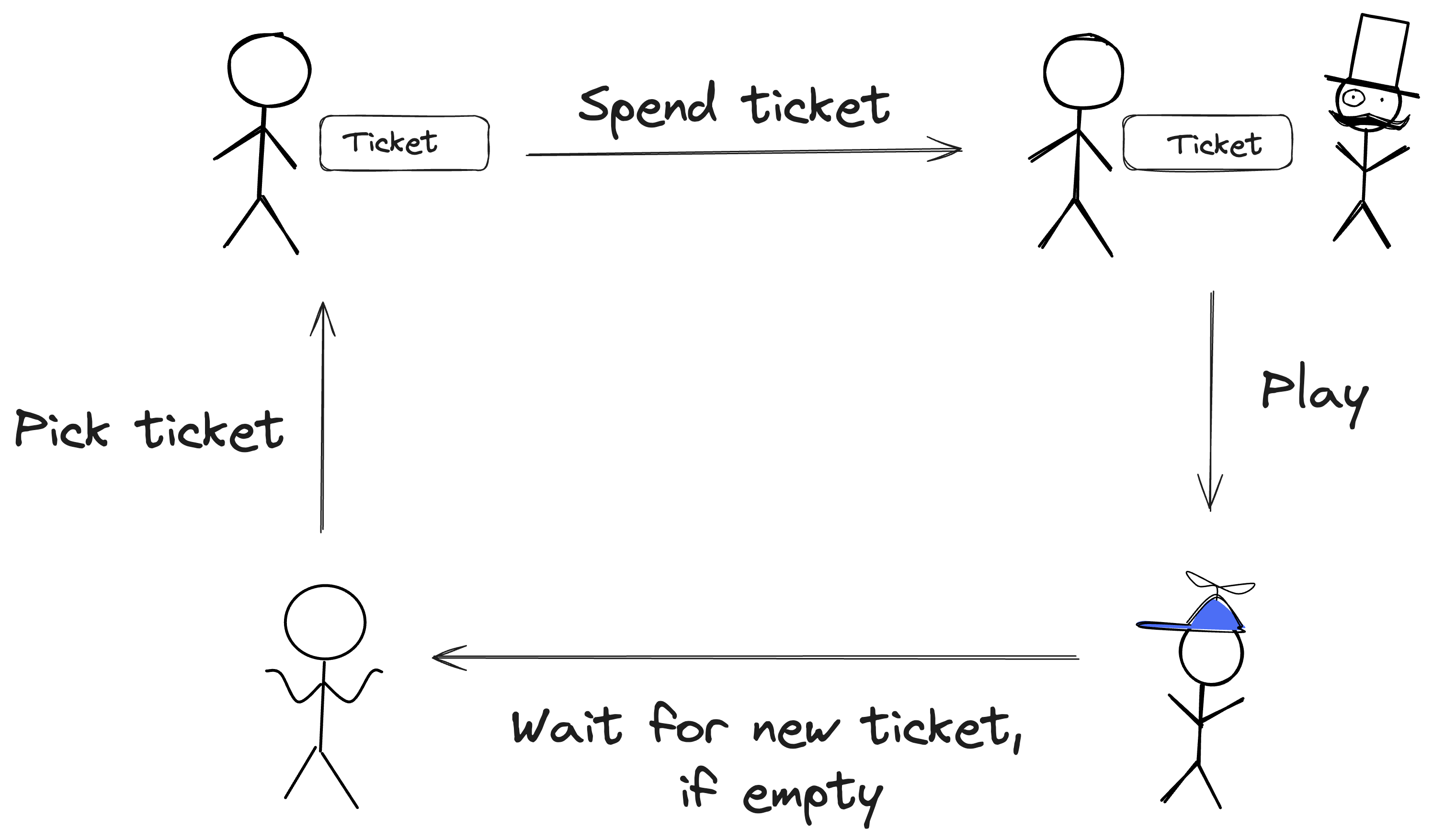
Imagine that you have 5 tickets to a ride, and every new hour you get a new ticket, but you can never exceed the limit of 5. Every time you ride, a ticket is used. So, if you use all your tickets, you can’t ride anymore until you get a new one. It is a very interesting algorithm, used by the PIX (a Brazilian instant payment method), for not allowing an attacker to scrape all users’ data.
Show me the code!
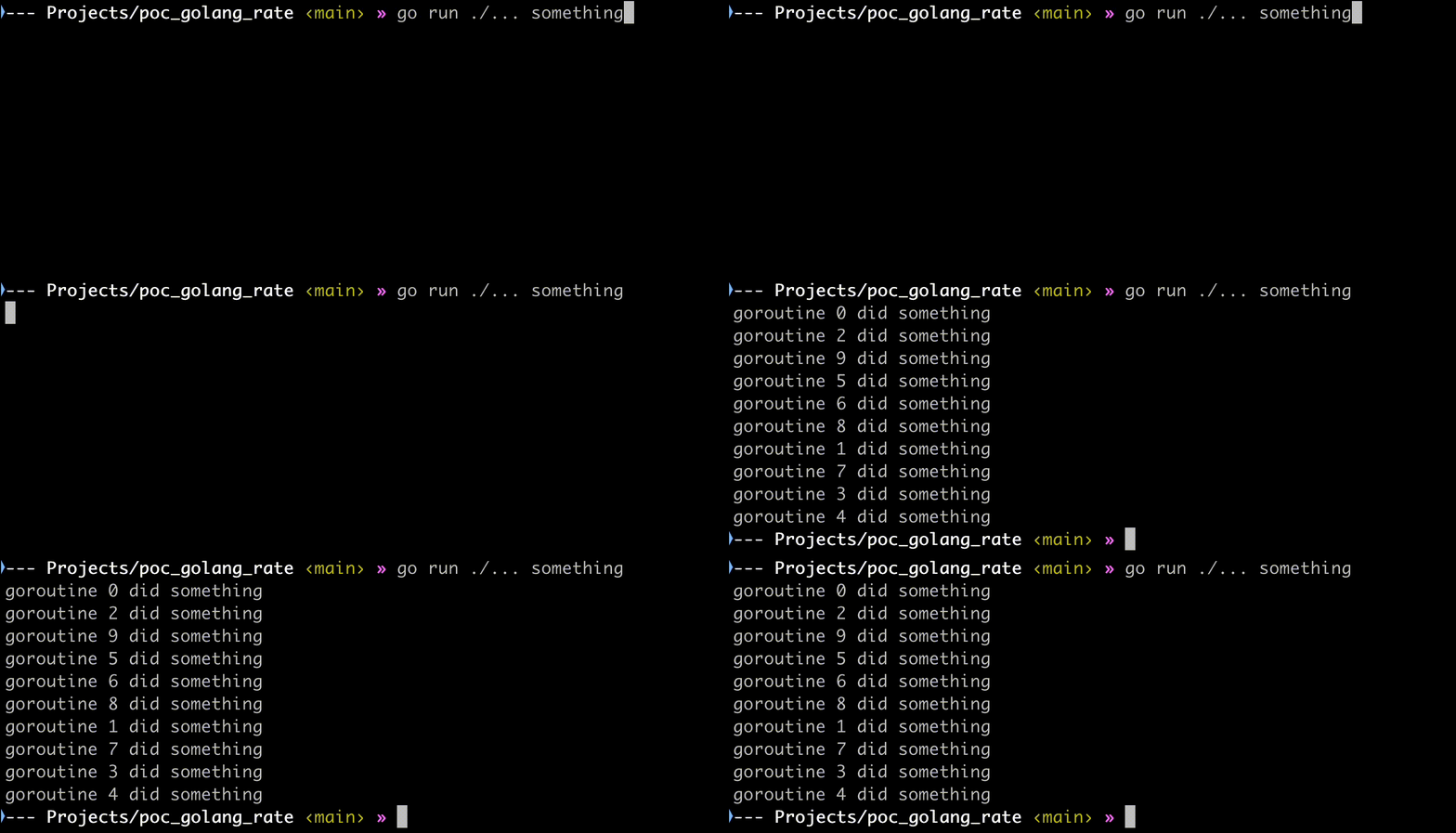
Translating to code, let’s propose a scenario where 10 goroutines are initialized and execute something. If you don’t know yet about goroutines and concurrency, I recommend my post about it.
| |
While running the code above, it is noticeable that the goroutines were executed without any control.
Package rate
The Token Bucket algorithm comes from the necessity of controlling the execution, and, as always, Go or its community gives us a solution. In this case, it is the rate package. Using it is quite simple. At first a new Limitter is initialized with the maximum number of tokens and a Limit, which defines how many tokens are created per second.
| |
Allow strategy
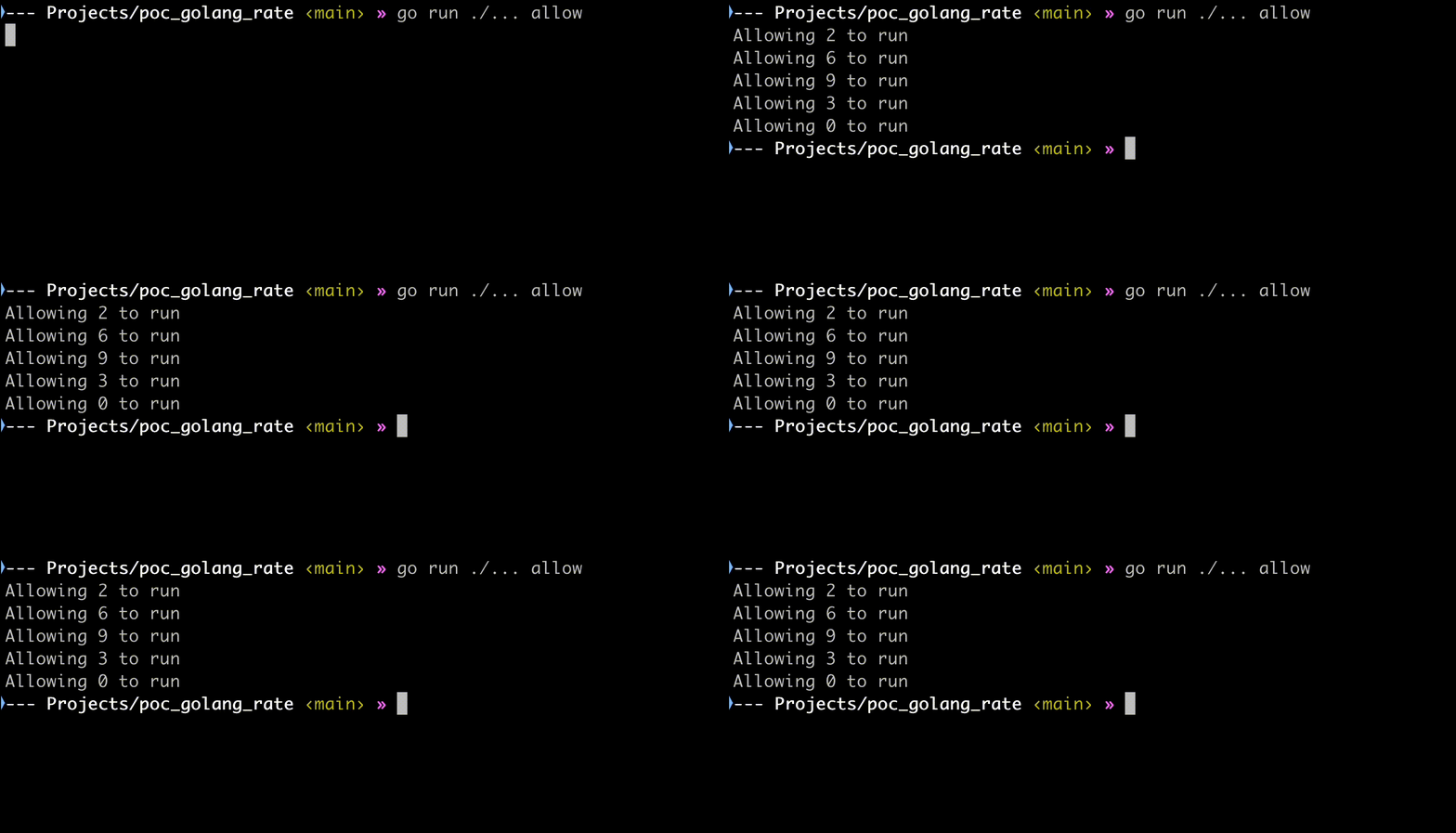
The coolest thing from the rate package is it has three different strategies. The first strategy is called allow.
| |
At this strategy, the execution is allowed if there is a token to be consumed at that moment, and, if not, nothing will happen.
Wait strategy
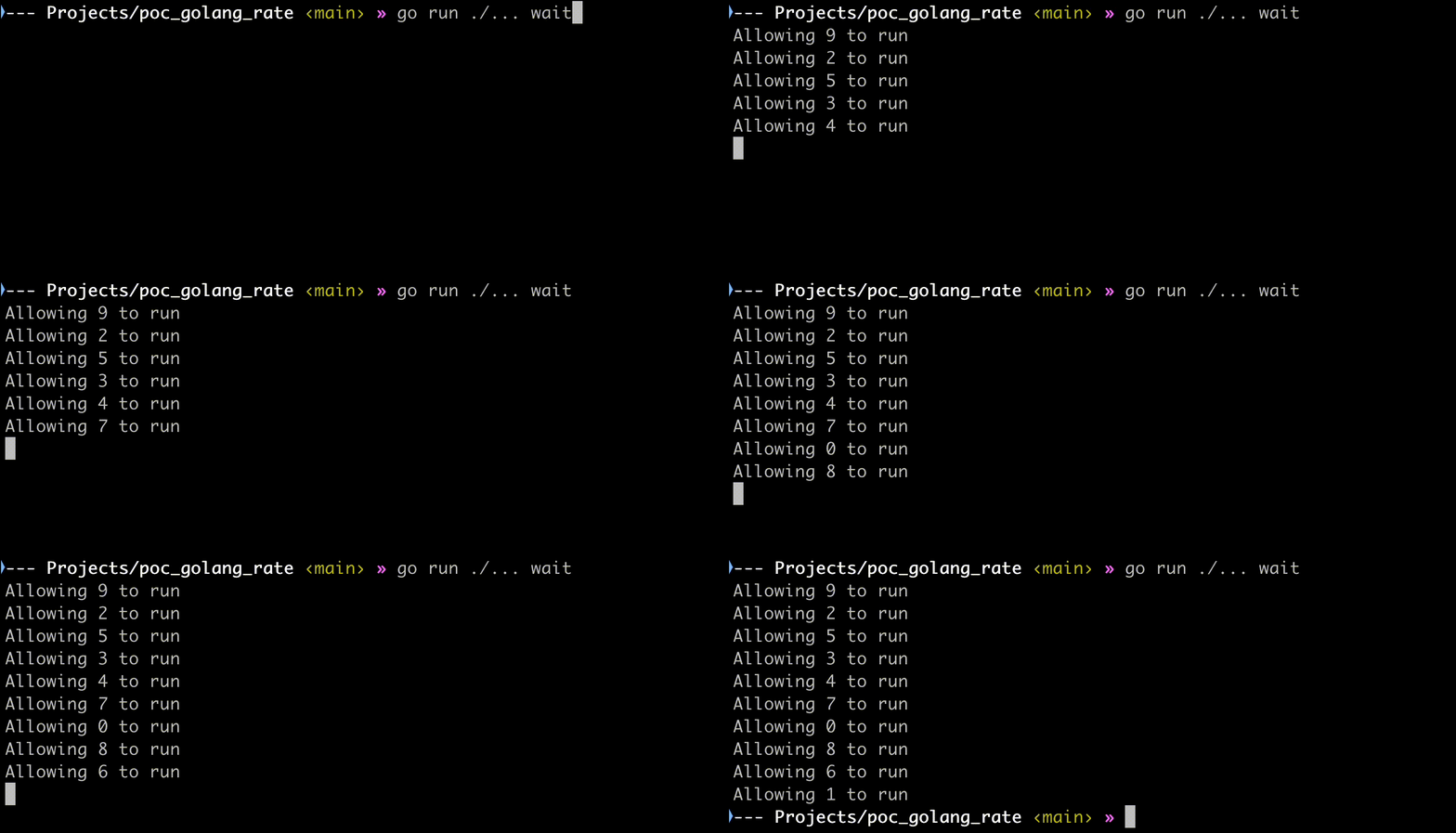
The second one is called wait and by the package author, it is probably the most common one of being used.
| |
With wait, the goroutine will be held until there is a token available for use.
Reserve strategy
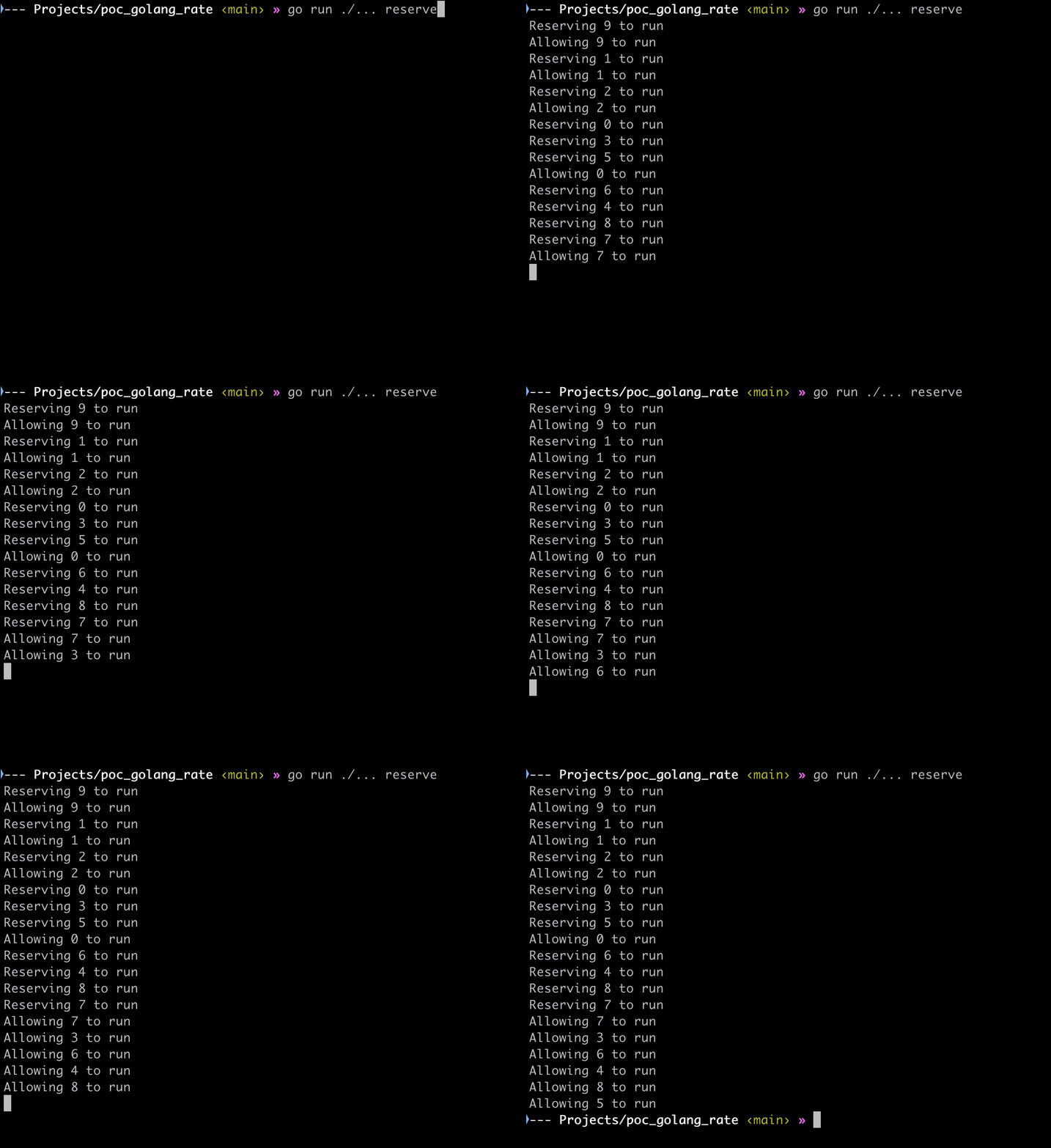
At last, we have the reserve strategy. As the name says, you reserve the next available ticket and wait until it is created.
| |
This strategy is similar to the wait, however, it allows us to control it with more details and know when it is possible to execute again.
Extras
Besides all that, all these strategies can burn more than one ticket if it is necessary. For example, the Allow() function turns into AllowN(t time.Time, n int), where t is the time allowed to happen n events.
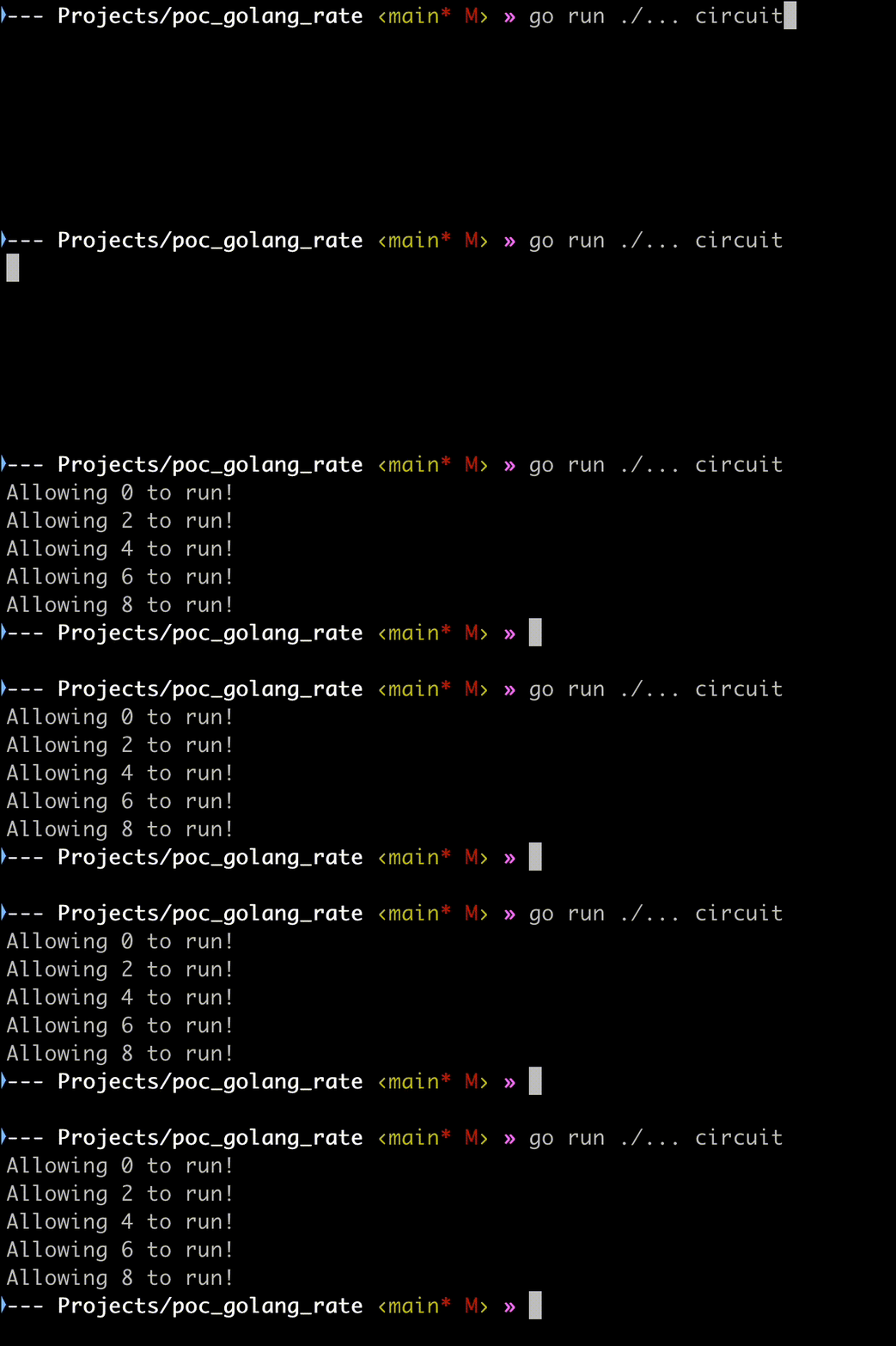
Another cool feature was the possibility of making a simple Circuit Breaker with this package and the type Sometimes. You can configure the following parameters:
First: first Nth calls will be executed.
Every: every Nth call will be executed.
Inverval: calls within the time interval.
| |
As we can see, at every two calls, one call is blocked.
Conclusion
The Token Bucket is a fascinating traffic control algorithm since it allows us to block exceeding executions and book future executions. The Go implementation is simple to use and safe to use with multiple goroutines.
The rate package also provides a simple circuit breaker implementation, preventing us from adding more third-party libs to the code if it is needed to use both methods in our application.
But it is important to say that this package is still experimental and can change the contract between versions, or be discontinued, or even be added to the stdlib.
To sell all the examples, access this repository.